Embarking on a journey through manga reading books opens a portal to a vibrant universe where art and storytelling intertwine seamlessly. The allure of manga lies not just in its captivating plots but also in its ability to combine visual artistry with nuanced narrative layers, making it a distinctive form of literature that appeals across ages and cultures. Whether you're a seasoned reader or new to this medium, immersing yourself in manga offers a unique experience that stimulates both the eyes and the mind.
Manga reading books have become a global phenomenon, transforming how stories are told and consumed. They challenge traditional notions of narrative, blending graphic art with storytelling techniques that elevate reading into an engaging, multi-sensory adventure. As we delve into this expansive world, it's essential to explore what makes manga not only entertaining but also a powerful tool for education, culture, and personal growth.
The Allure of Manga: Why Reading Books in a Visual Narrative Matters
Manga reading books captivate readers by merging compelling storytelling with striking visual elements. Unlike conventional novels, manga relies heavily on artwork to convey emotions, action, and atmosphere, allowing the reader to interpret scenes with nuance and depth. This visual narrative invites a more immersive experience, where the visual cues serve as an extension of the written word, enriching the story and fostering a deeper emotional connection.
Beyond aesthetics, manga's allure also resides in its ability to evoke immediate emotional responses. The expressive characters, dynamic panel layouts, and symbolic use of color or black-and-white shading create a rhythm that guides the reader effortlessly through intricate plots. This combination of art and text creates a layered storytelling experience that can often communicate complex themes more effectively than words alone, making manga a compelling form of literature that resonates on a visceral level.
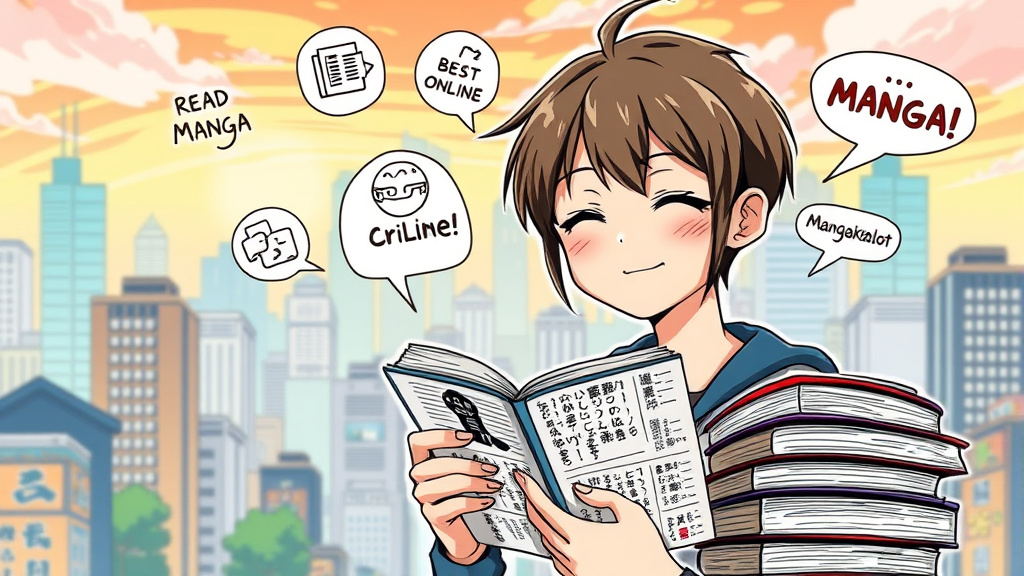
 Hình minh họa: manga english language – manga reading books
From Page to Panel: Exploring the Unique Reading Experience of Manga
Reading manga is an intimate dance between the reader and the artist’s vision, where each panel guides the flow of the story visually and narratively. Unlike traditional books, where imagination fills the gaps through descriptive prose, manga provides a concrete visual universe that shapes the reader’s perception. This immediacy allows for faster emotional engagement and a heightened sense of pacing, as panels can quickly accelerate or decelerate action to suit the narrative tone.
The unique rhythm of manga reading also challenges the reader to interpret the visual cues—such as facial expressions, background details, and panel composition—that carry significant storytelling weight. This fosters active engagement with the material, encouraging readers to analyze and interpret beyond the dialogue. Such a reading experience promotes visual literacy and attentiveness, cultivating a richer understanding of storytelling techniques that are distinctively manga.
Beyond Entertainment: The Educational and Cognitive Benefits of Reading Manga
While manga is often viewed as entertainment, its educational potential is equally significant. Engaging with manga encourages visual literacy—learning to decode illustrations, panel flow, and symbolic imagery—skills that are increasingly relevant in a digital age where visual communication dominates. Moreover, reading manga in multiple languages has been shown to support language learning, vocabulary acquisition, and cultural understanding, especially when readers explore works from different countries.
Cognitively, manga can stimulate imagination, empathy, and critical thinking. The layered storytelling invites readers to interpret subtle visual cues and contextual clues, fostering analytical skills. Additionally, manga’s diverse genres can introduce complex themes—such as morality, social issues, and personal identity—that prompt reflection. As a form of active reading, manga can also enhance concentration and patience, making it a valuable educational resource for learners of all ages.
Decoding Manga: A Guide to Understanding Visual Storytelling Techniques
Deciphering manga involves more than just following dialogue; it requires understanding iconic visual storytelling techniques unique to this art form. Panel layouts—ranging from traditional grid structures to more experimental, asymmetrical designs—serve as narrative tools that influence pacing and emphasis. Large, detailed panels can highlight pivotal moments, while smaller, rapid-fire panels convey swift action or tension.
Symbolism and visual metaphors are also central to manga storytelling, often used to deepen emotional resonance or foreshadow future plotlines. Artists utilize shading, screen tones, and color accents strategically to evoke mood and atmosphere. Recognizing these techniques enhances comprehension and appreciation, enabling readers to fully engage with the narrative and interpret the subtleties that make manga a sophisticated art form rather than simple entertainment.
Genre Variety in Manga: Finding Books to Suit Diverse Reading Interests
The vast landscape of manga encompasses an array of genres, ensuring that every reader can find books that resonate with their interests. From action-packed shonen aimed at young boys to emotionally driven shojo targeted at young girls, manga offers a spectrum of storytelling styles. Seinen and josei cater to adult audiences, exploring complex themes like politics, philosophy, and romance with maturity and depth.
This genre diversity allows manga to serve as a versatile medium for exploring different worlds and perspectives. For instance, science fiction and fantasy manga create expansive universes filled with innovative ideas, while slice-of-life series depict everyday realities that foster empathy and relatability. By exploring various genres, readers can discover new tastes, challenge stereotypes, and develop a broader appreciation for storytelling in its visual form.
Manga vs. Traditional Comics: A Comparative Analysis of Reading Styles
While manga and traditional Western comics share similarities, such as serialized storytelling and visual emphasis, key differences influence how readers experience each medium. Manga often features black-and-white artwork, a vertical reading orientation, and longer, continuous story arcs that develop characters over time. Conversely, Western comics may focus more on individual issues, superheroes, and a varied visual style.
Reading styles vary accordingly; manga readers often engage in marathon sessions, consuming entire series in one sitting, appreciating the narrative flow and artistic consistency. Western comics might be read episodically or in shorter bursts, emphasizing quick entertainment. Despite stylistic differences, both mediums cultivate dedicated communities and serve as dynamic storytelling platforms—each fostering unique ways of engaging with visual narratives that reflect different cultural storytelling traditions.
Cultivating Literacy Through Manga: Engaging Reluctant Readers with Graphic Novels
Manga’s graphic format offers an accessible entry point for reluctant readers, particularly children and teenagers who may struggle with dense text or traditional books. The combination of compelling visuals and straightforward narratives can motivate emerging readers to engage actively with stories, aiding in the development of literacy skills and reading confidence. Furthermore, exposure to diverse themes through manga can foster curiosity and broaden understanding of different cultures and social issues.
Educators increasingly recognize manga's potential as an educational tool, integrating it into classrooms to promote literacy and digital literacy skills alike. Through guided discussions, teachers can explore visual storytelling techniques or cultural contexts embedded in manga. This approach not only strengthens literacy but also encourages critical thinking about media and graphic arts, making manga an invaluable tool for inclusive and engaging literacy education.
The Global Phenomenon of Manga: Exploring Its Cultural Impact and Popularity
Beyond Japan’s borders, manga has become a cultural phenomenon, influencing art, fashion, music, and popular culture worldwide. Its accessibility through physical and digital platforms has facilitated a global community centered on shared appreciation and dialogue. Manga’s impact extends beyond entertainment—serving as a bridge for cultural exchange, introducing Western audiences to Japanese customs, language, and traditions.
The widespread popularity of manga has also sparked a new appreciation for graphic storytelling as a legitimate art form. Many artists and writers draw inspiration from manga’s dynamic visual storytelling, fostering innovative approaches to comics and animation globally. Its influence underlines the importance of cultural diversity in storytelling and the power of visual narratives to unite people across linguistic and geographical barriers.
Building a Manga Library: Essential Titles and Recommendations for New Readers
Starting a manga collection might seem overwhelming given the sheer variety of titles available, but focusing on essential works can set a strong foundation. Classics like Akira, Naruto, One Piece, and Death Note offer a broad spectrum of genres and storytelling styles that exemplify manga’s artistic and narrative diversity. For those interested in exploring emotional and social themes, titles like Blankets or A Silent Voice provide poignant insights into human relationships.
For new readers, engaging with a variety of genres—whether adventure, romance, horror, or historical—can enhance understanding and appreciation of manga’s versatility. Collecting a mix of approachable series and critically acclaimed classics allows for exploration and discovery. Recommendations and community reviews can guide new collectors, helping them to curate a personal manga library that grows with their evolving interests and reading preferences.
The Future of Manga Reading: Adapting to Digital Platforms and Evolving Trends
As technology continues to evolve, manga reading books are increasingly shifting toward digital platforms, offering new ways to access and engage with the medium. Digital manga apps and webcomics provide on-demand access, often with interactive features like annotations or adjustable panel layouts that enhance the reading experience. Furthermore, the rise of global digital marketplaces has democratized ownership, allowing readers worldwide to access a vast array of titles legally and conveniently.
Looking ahead, trends such as augmented reality (AR) and virtual reality (VR) may further revolutionize manga consumption, creating immersive storytelling environments. The integration of AI-driven recommendations and community interaction platforms will foster more personalized and social reading experiences. As manga adapts to these innovations, it will continue to captivate new generations of readers, cementing its role as a vital component of global visual storytelling.
Conclusion
The world of manga reading books offers an extraordinary blend of art, narrative, and cultural expression that appeals to diverse audiences worldwide. Its visual storytelling techniques, genre breadth, and cognitive benefits make it a compelling medium for entertainment and education alike. As manga continues to evolve with digital innovations and global influence, its ability to connect, inspire, and educate remains profound. Engaging with manga provides not only enjoyment but also an opportunity to explore new worlds, develop literacy skills, and participate in a thriving cultural phenomenon that bridges cultures through vivid, dynamic stories.